We Fund. We Advise.
We Change Lives.

Baltic Street Into Action is a Brooklyn-based nonprofit dedicated to advancing mental health recovery through creative arts therapy. We are a funding and consultative organization, connecting generous donors with innovative programs that help people in recovery build new possibilities, and offering hands-on guidance that helps those programs grow their reach and impact.

2014Incorporated
501(c)3Nonprofit Status
8Programs Funded
$53,000In Grants Awarded
Our Founding Story

It started with music.

In 1977, a mental health clinic opened on Baltic Street in Brooklyn’s Carroll Gardens — built on a bold idea for its time: that people living with mental illness belonged in their communities, not behind hospital walls.

Its director of Continuing Day Treatment Services, music therapist Peter Jampel, believed something bolder still — that creativity itself could be a catalyst for recovery. Under him, Baltic Street became a place where music, art, dance, drama, and poetry weren’t extras. They were the therapy.

A community grows

The idea of building community through music-based therapy spread — across Brooklyn, across the city, and eventually to music therapy programs around the world. In 1991, under the guidance of Peter Jampel, peer musicians from the program formed The Baltic Street Band.

Recovery doesn’t happen in isolation. It happens the moment someone picks up an instrument — or a pen — and discovers they have something to say. Nearly fifty years after a Brooklyn clinic put the arts at the center of mental health care, we’re still proving that idea right — and always looking for the next community ready to put it into action.

From one clinic to many causes

Today, Baltic Street Into Action carries that belief forward — funding and championing creative arts projects for mental health recovery wherever they take root:

  • Peer Arts Training — teaching people with lived experience to bring the arts into their work, now part of the renowned Howie the Harp program.
  • Music on the Inside — mentoring incarcerated artists at Rikers Island, including the Reentry Dream Band, now a yearly act at the Newport Jazz Festival.
  • Healing Words in Ukraine — training 90+ psychologists to use poetry therapy with wounded veterans and their families.
  • A veterans’ theatre project in Brooklyn, turning hard experiences into drama and connection.
  • Instruments for the Catskills — for a rural addiction-recovery program with Westchester Medical Center, affiliated with the Health Alliance of Hudson Valley, and SUNY New Paltz, Music Therapy and Memory Care at Mountainside Health Care Center, Margaretville Hospital in NY, and Music Therapy for Respiratory Wellness at Margaretville Hospital in NY.
  • Research at Mount Sinai’s Louis Armstrong Center, exploring how music helps children cope with chronic pain.

Recovery doesn’t happen in isolation. It happens the moment someone picks up an instrument — or a pen — and discovers they have something to say. Nearly fifty years after a Brooklyn clinic put the arts at the center of mental health care, we’re still proving that idea right — and always looking for the next community ready to put it into action.

Our Identity

A Funder, Not a Provider

This distinction matters. BSIA does not provide therapy, run programs, or offer direct services. What we do is find the programs that are already doing extraordinary work — and give them the resources to do more of it. We are a bridge between people who want to make a difference and the organizations that know how to make it happen. Our Board brings decades of clinical and administrative experience across a broad range of creative arts therapy settings, adding invaluable depth to our projects and partnerships.

Our role is to listen carefully, fund wisely, and stay engaged — supporting the work and helping tell its story. Every person supported by a BSIA-funded program is a person in recovery — never a patient. That language reflects the philosophy at the heart of everything we fund: that every human being has the capacity to grow, and that creative arts can complement and strengthen a person’s path to recovery.

How We Operate

What Funding Looks Like in Practice

We Find
Innovative Programs

We seek out creative arts therapy programs that demonstrate real impact — from Brooklyn community centers to veterans organizations to international poetry therapy collaborations.

We Award
Direct Grants

We provide direct financial support to programs that need it. Our grants fund program costs, materials, facilitator fees, and the operational needs that allow great work to continue.

We Document
and Share

Through our video library, podcast, and photography program, we tell the stories of the people and programs we support — so that others can learn from, be inspired by, and replicate this work.

Our Philosophy
“Recovery has many paths.
The arts are one.”

We believe recovery is deeply personal, and no single path works for everyone. Creative arts therapy gives people opportunities to express, heal, and grow in ways that words alone sometimes cannot.

That belief guides our work. We fund creative arts programs because the evidence is compelling, the human outcomes are real, and this field remains chronically underfunded despite its impact. By investing in these programs, we help expand access to approaches that encourage self-expression, strengthen community, and support recovery.

Leadership

Board of Directors

BSIA is governed by a volunteer board of directors who bring expertise in music therapy, mental health, law, nonprofit management, and the arts. Every board member contributes their time without compensation — because the mission is personal to each of them.
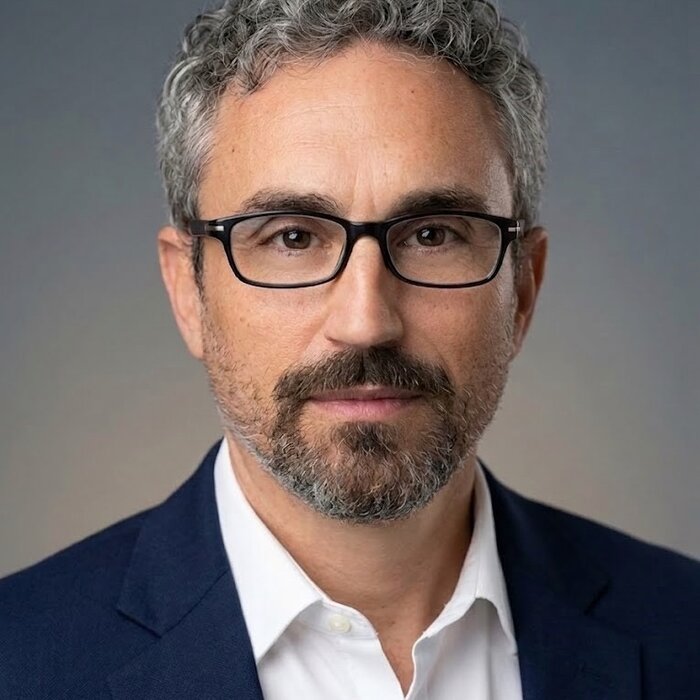
Nir Sadovnik
Nir Sadovnik
Treasurer
Nir Sadovnik, MA, MT-BC, LCAT, serves as Associate Director of Therapeutic Rehabilitation Services at Metropolitan Hospital and is co-chair of Health and Hospitals’ Creative Arts Therapy Council. He is the director of music therapy at the Brooklyn Music School. Nir combines clinical and professional practice with roles as an adjunct instructor at several higher education institutions, bringing extensive clinical and academic experience in music therapy to the board.
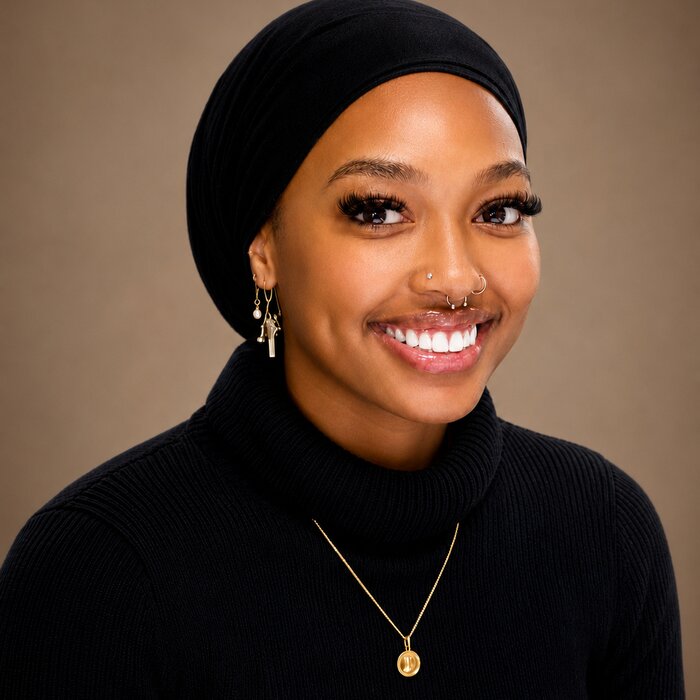
Mark Leibowitz
Mark Leibowitz
Secretary & Marketing
Mark Leibowitz is an Instructor of Art at Pratt Institute and the founder of NYC Urban Sketchers. He brings a background in visual arts education and community engagement to BSIA’s marketing and outreach efforts.
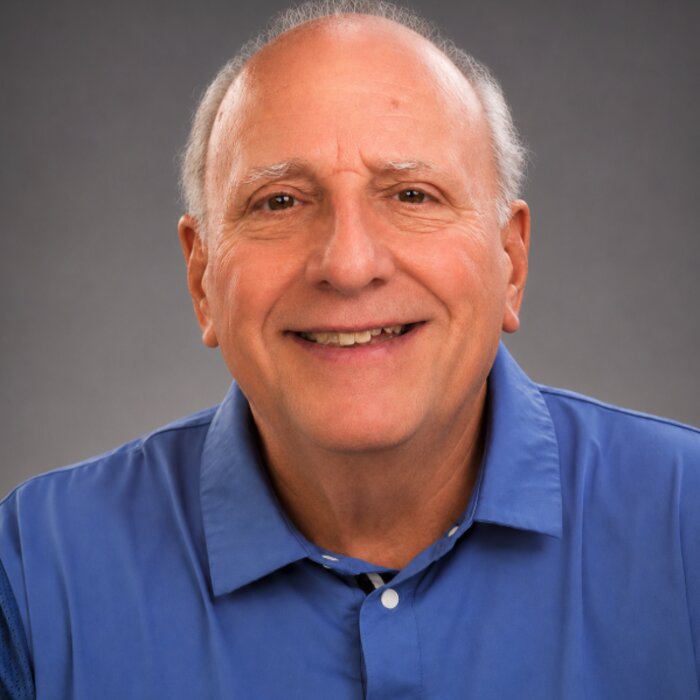
Jahshly Phebee Boursiquot
Marketing
Jahshly Phebee Boursiquot is a graduate of New York University with a B.A. in Psychology and an aspiring physician. Her experience supporting psychiatric care and working with refugee and immigrant students has shaped her commitment to advocacy and expanding access to community-based mental health support.
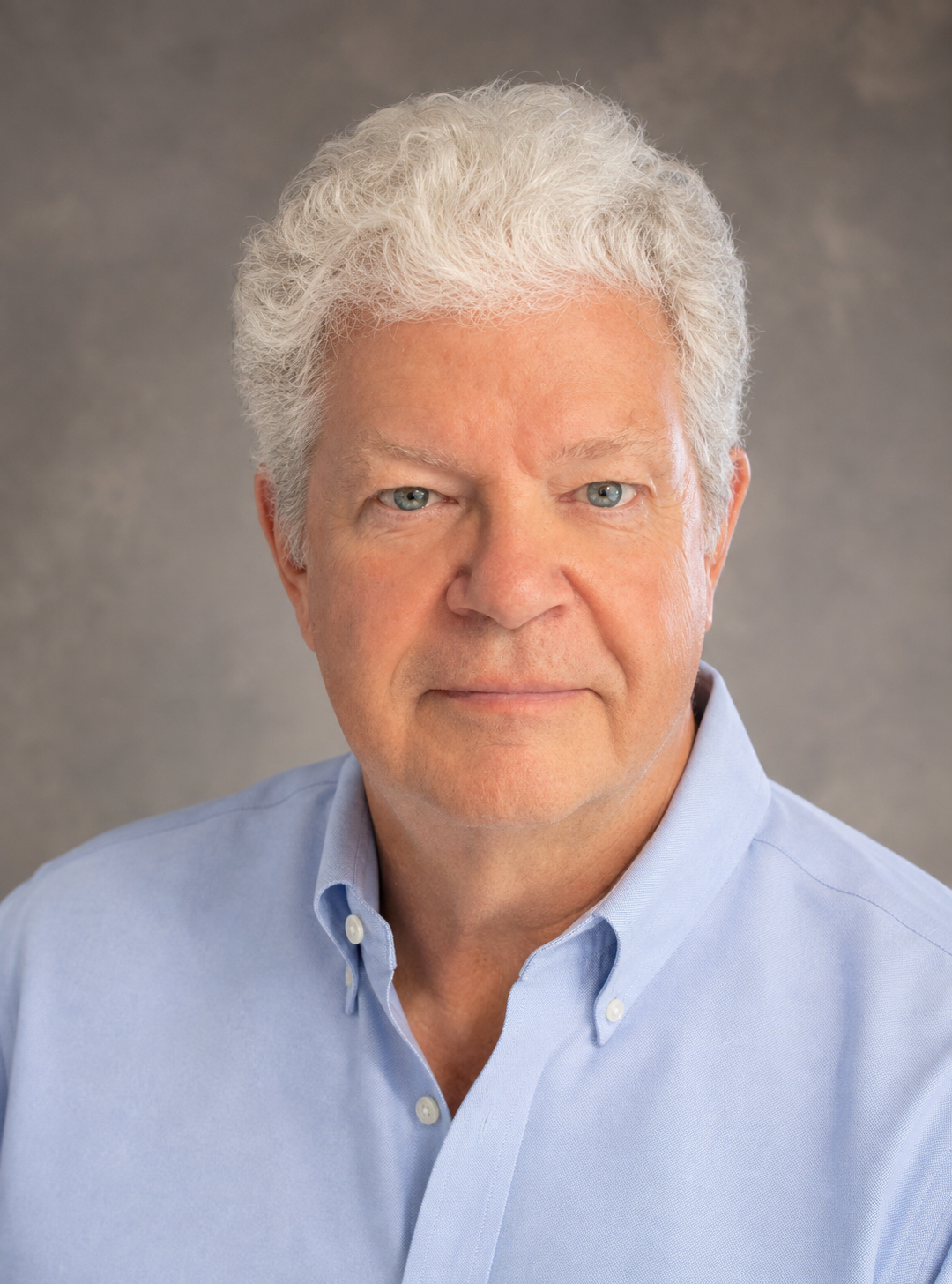
David Read Johnson
David Read Johnson
Board Member
Dr. David Read Johnson is a clinical psychologist and drama therapist who helped found the National Association for Drama Therapy and later led national creative arts therapies coalitions. He was on the Yale School of Medicine psychiatry faculty from 1980 to 2024 and now heads the Foundation for the Arts and Trauma.
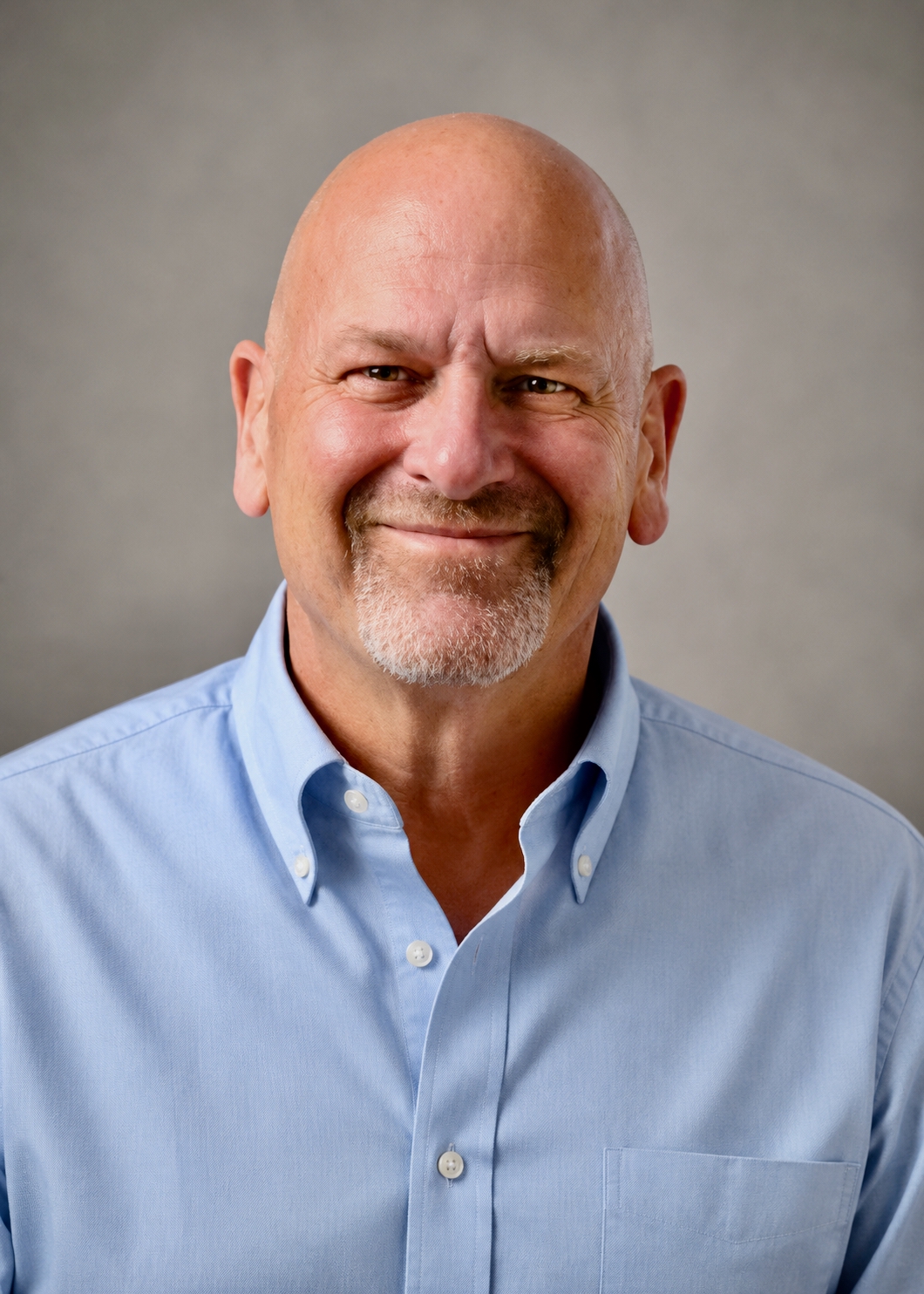
Joel Gorinsky
Joel Gorinsky
Board Member
Joel Gorinsky is a retired attorney who spent 37 years with the Mental Hygiene Legal Service in the Appellate Division, Second Judicial Department of New York State, representing people in underserved and embattled communities until his retirement in 2022.
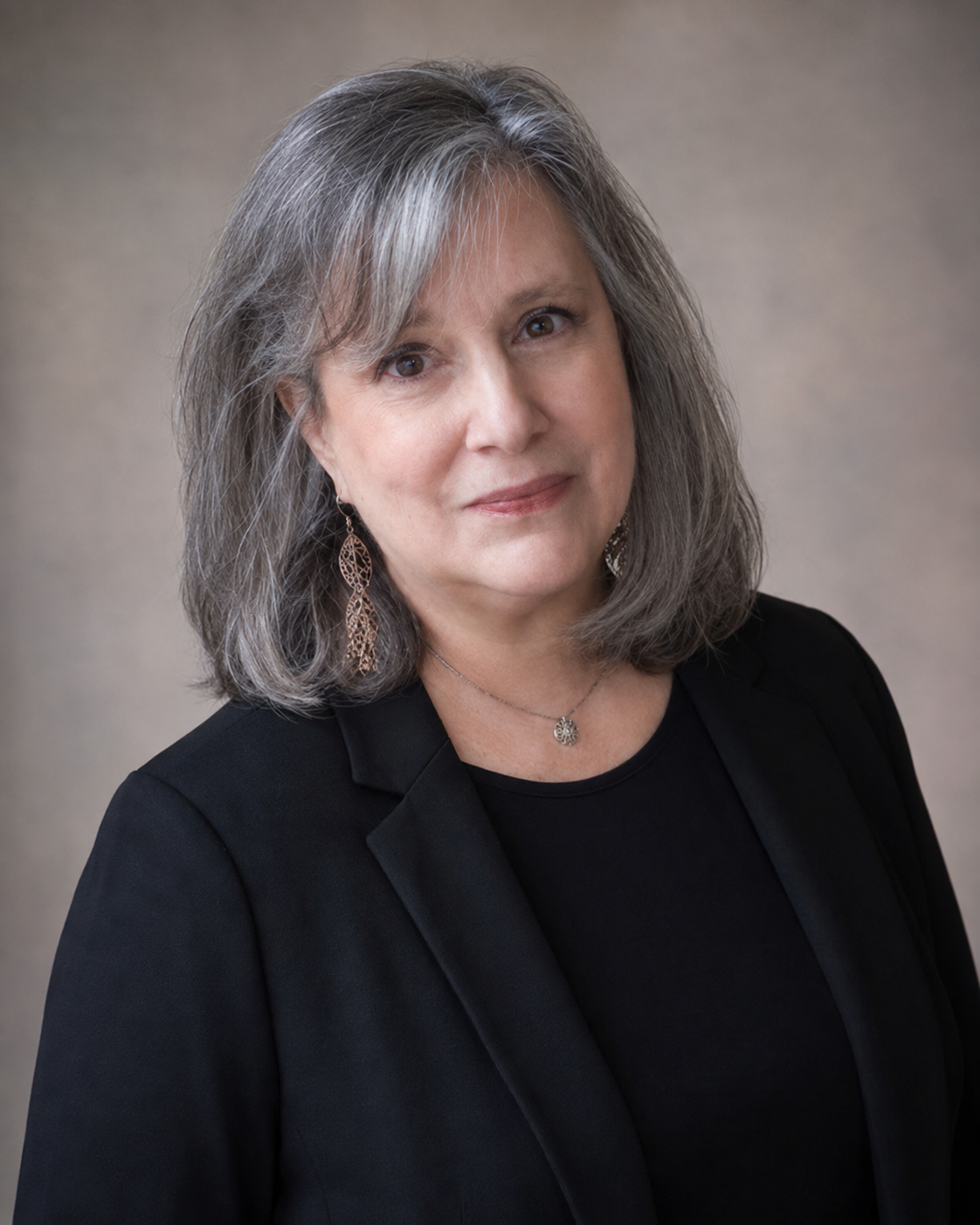
Sherry Reiter
Sherry Reiter
Board Member
Dr. Sherry Reiter, PhD, LCSW, is a Registered Poetry and Drama Therapist/Trainer and Associate Professor at Touro College, with an adjunct faculty role at Hofstra University. She directs The Creative “Righting” Center and co-authored Writing Away the Demons and Twice Chai: A Jewish Road to Recovery.
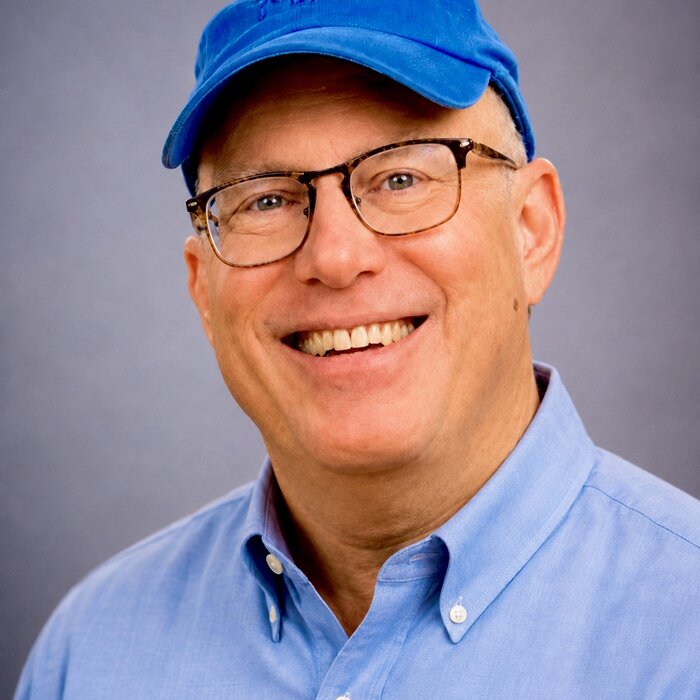
Marc Goloff
Marc Goloff
Board Member
Dr. Marc Goloff is a clinical psychologist and the retired Chief of Psychology at the VA New York Harbor Healthcare System. A former certified music therapist, he remains an amateur singer and guitarist active in the arts community.
●
Person-First
We say person in recovery — never patient. Language reflects dignity.
★
Evidence-Based
We fund programs grounded in clinical research and demonstrated outcomes.
◆
Community-Rooted
Brooklyn is home. The work we fund serves real people in real communities.
♪
Arts-Forward
Creative expression is not supplemental to recovery. It is a path to it.

Want to Support
This Work?

Every gift to BSIA funds programs that help people in recovery build new possibilities through creative arts therapy. Join our community of supporters.

Join Us Explore Our Programs